

Why Professional Tyre Puncture Repair is Safer and More Reliable
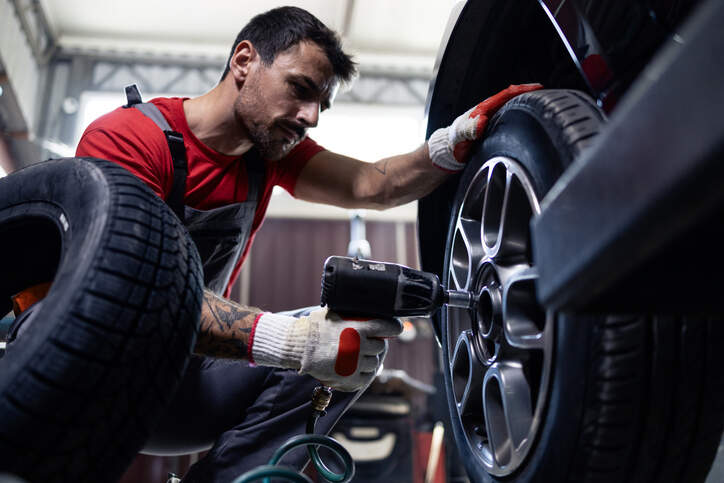
Getting a flat tyre is a pain. It throws your whole day off, messes with your plans, and can be a real safety risk if you're not careful. A lot of people grab a tyre puncture repair kit and hope it’ll do the job until they get home or to the next servo.
But not all tyre repairs are the same. There’s a big difference between a quick plug and a proper repair done by someone who knows what they’re doing. In this guide, we’ll walk you through how professional puncture repair actually works, the risks of quick fixes, and why it’s worth doing it right the first time.
Do You Have a Flat Tyre?
Let’s say you’ve got a flat tyre. Maybe you hit a nail or clipped a pothole, and now the air’s leaking out. While kits are handy in a pinch, they’re no match for a professional tyre repair. The difference comes down to safety, durability, and peace of mind. Plugging a tyre on the side of the road might get you a few more kilometres, but it won’t always seal the damage properly or protect the inside of the tyre.
The Risks of Poor Puncture Repair
A bad puncture repair job can do more harm than good. If the damage isn’t sealed correctly or goes unnoticed inside the tyre, you could end up with a blowout at speed, and that’s the last thing anyone wants.
Cutting corners to save on the puncture repair price might seem like a bargain at first, but it can lead to:
- Tyre separation or hidden internal damage
- Irregular wear or noise
- Poor handling in wet conditions
- A much shorter tyre lifespan
Professional repairs cost more upfront, but they save you from a bigger car repair bill later on, a flat tyre, or worse, putting you and your passengers at risk.
Why Tyre Puncture Repair Kits Aren’t Reliable
So, what does a tyre puncture repair kit actually do? Most are made for emergency use and involve inserting a rubber plug or sticky string into the puncture hole to stop the air leak temporarily.
Here’s the catch:
- They don’t let you inspect the inside of the tyre
- They rarely seal deep or angled punctures properly
- They don’t rebalance the tyre after the fix
- The repair can fail without warning
A tyre repair is more than just plugging the hole. It’s about making sure the structure of the tyre is still safe. Kits are helpful for emergencies, but they’re not a long-term fix. That’s why professional tyre puncture repair always wins for reliability.
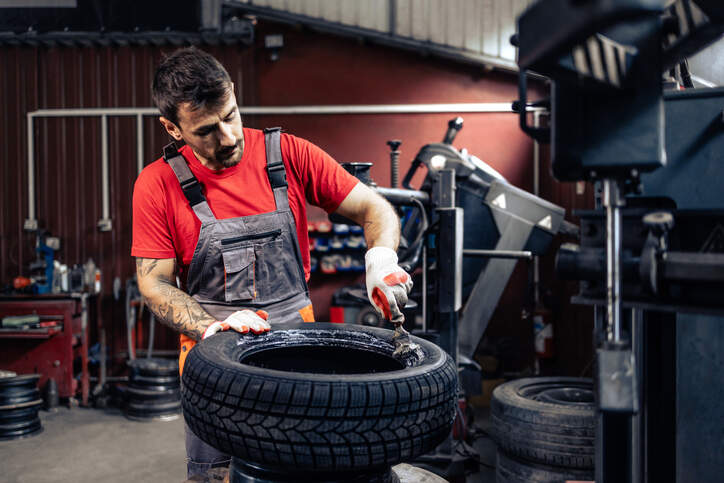
Professional Tyre Puncture Repair Process
When you bring your car into the shop, a full tyre puncture repair goes through several steps:
- Inspection: We remove the tyre from the rim and check the inside for splits, bubbles, or internal damage
- Cleaning and prep: The puncture hole is cleaned out, and the area is prepped for a patch
- Internal patch or plug-patch combo: This creates a proper seal from the inside that won’t loosen over time
- Rebalancing: The tyre is re-mounted and balanced so it runs true and doesn’t vibrate on the road
- Final pressure test: We check the air holds and the repair is stable
This process ensures the puncture repair is done properly, giving you confidence the tyre won’t fail unexpectedly. It’s also part of keeping your full car repair history in good shape.
Tyre Repair vs Replacement
Not every flat tyre can or should be repaired. In some cases, a replacement is the safer call. Here’s how to tell:
Repair is usually OK when:
- The puncture is in the central tread area
- The damage is less than 6 mm wide
- There’s no internal sidewall damage
- You haven’t driven too far on it while flat
Replacement is often safer when:
- The damage is in the shoulder or sidewall
- You’ve driven too far on the flat and the tyre’s taken a beating
- The tyre shows signs of heat damage, or the inside has started to separate
- The tread is already worn down and nearly bald
FAQ
Can You Repair Run Flat Tyres?
People ask us this all the time — can you repair run flat tyres? Sometimes yes, sometimes no. It depends how far you drove after it went flat. Run flat tyres are strong, but they can still be damaged inside. Some brands don’t allow repairs at all. The safest option? Bring it in and we’ll check it out. If it can be repaired safely, we’ll do it. If not, we’ll help you sort a new one.
Puncture Repair Price: What Should I Expect?
The cost to fix a puncture depends on a few things: the type of tyre, where the damage is, and how we go about the repair. Most proper repairs land somewhere between $50 and $80. It’s a bit more than using a DIY kit, but it’s a proper fix you can count on. It helps your tyres last longer, saves fuel, and keeps you safer behind the wheel. In the long run, it just makes sense.
How Long Does a Tyre Repair Take?
Most tyre repairs take about 30 to 45 minutes. It’s usually quick enough to get done while you grab a coffee, and much better than getting stuck on the side of the road later.
Conclusion: Tyre Puncture Repair Done Right
Quick fixes might seem like the easy way out, but a proper tyre puncture repair will keep you safer, save you money down the line, and help your tyres last longer. A professional repair means we check it properly, seal it from the inside, and balance it so you're not left dealing with the same issue again.
Got a flat tyre? Not sure if your last repair was done right? Or simply want peace of mind before hitting the road? At Mag Wheel & Tyre, our expert team specialises in professional tyre repairs and replacements, ensuring every job is carried out with care, precision, and the highest-quality products. Having a dependable team you can trust is crucial for your vehicle’s safety and performance, and our friendly staff are here to help. Call us today on (03) 9480 0911 or book online for fast, reliable service.
 Rays Wheels for Suzuki Jimny: Gramlights 57DRX vs Volk Racing TE37XT
 The Ultimate Guide To Rays Offroad Wheels - By Rays Engineering
 Upgrade Your Nissan Patrol Y62 with Premium Wheels and Tyres