
Aftermarket Wheels: What You Should Know Before Upgrading Your Car
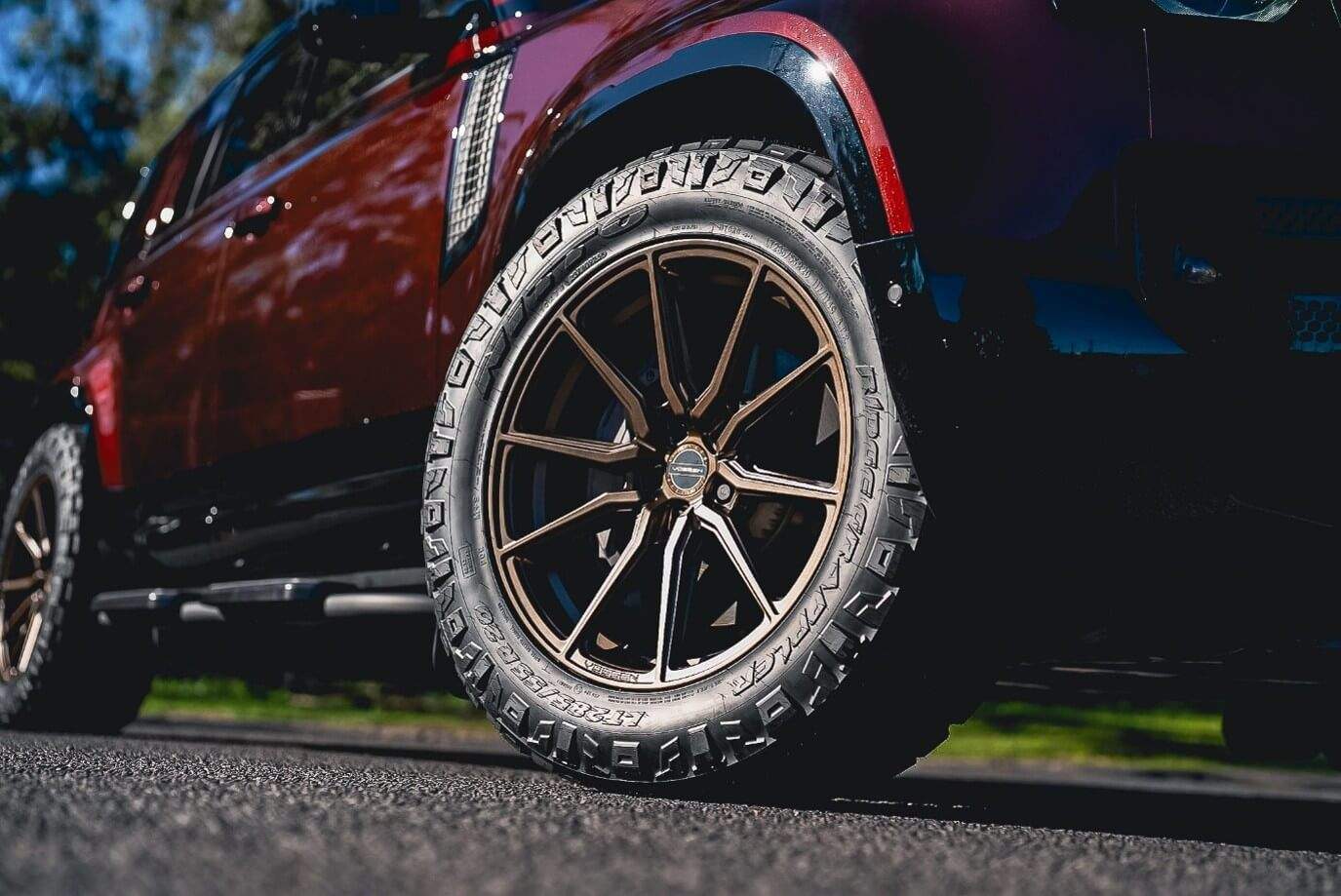
There are many good reasons to replace the wheels on your vehicle. Maybe you want a sportier style or a smoother ride. By changing the wheels, you can give your car a completely different character (for the better). However, before upgrading, it is important to know what to look for so you can select quality wheels that work properly with your vehicle.
Car owners have different wheel options depending on their vehicle and personal preferences. While some vehicles retain the wheels fitted by the manufacturer, others are upgraded with wheels produced by independent companies. Known as aftermarket wheels, the latter give car owners more freedom to choose a design that suits their vehicle. This is while being able to adjust their overall performance. For drivers exploring aftermarket wheels Melbourne, the following are the things to know before making a purchase.
What Are Aftermarket Wheels?
As their name suggests, aftermarket wheels are replacement wheels fitted after a car has been manufactured and sold. They give drivers an alternative to the standard wheels supplied with their vehicle. As mentioned earlier, they offer more flexibility when changing the look or setup of a vehicle.
OEM Wheels vs Aftermarket Wheels
OEM (Original Equipment Manufacturer) refers to parts made or authorised by the car manufacturer instead of a third-party aftermarket company. As such, these wheels are made to support the vehicle’s standard performance while matching its original design. However, unlike aftermarket wheels, they are often mass-produced with limited room for personalisation.
Why Should You Upgrade to Aftermarket Wheels?
More Freedom to Personalise Your Car
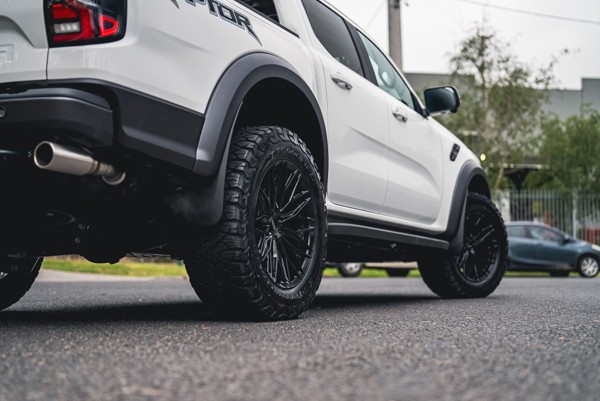
As mentioned, one of the clearest benefits of aftermarket wheels is the freedom to customise your vehicle’s appearance. Stock wheels may appear plain, but aftermarket options offer greater freedom when choosing a design. From clean and simple to bold and sporty, there is a design for almost every style.
Weight Reduction
Some aftermarket wheels are lighter than factory options. Examples of which are materials like forged aluminium. Less weight may support better handling and braking. At the same time, it makes the vehicle accelerate more responsively.
Greater Choice in Tyre Sizes
Aftermarket wheels may provide more freedom when selecting tyres for your vehicle. Because of that, it becomes easier to choose a tyre setup that suits your driving needs. When fitted correctly, they are also able to improve grip plus stability.
Enhanced Durability
Some aftermarket wheels are built using stronger manufacturing methods. Some of the most common ones are flow forming and forging. These processes can create a stronger wheel that is better able to handle even demanding driving conditions.
Cost Savings
Using aftermarket auto wheels may keep your original wheels in better condition. This may be useful for drivers who use their vehicle in demanding conditions or want to preserve the original wheels. Sometimes, replacing a damaged aftermarket option may be more affordable than buying a new factory wheel.
Common Issues with Aftermarket Wheels
Wheel Fitment Problems
Poor clearance around the guards can be caused by incorrectly sized wheels. Aside from that, nearby suspension components could also be affected if the fitment is too close.
Reduced Vehicle Performance
Slower response may be noticeable when heavier wheels are fitted. Fuel efficiency could also decrease due to the added weight.
Issues with Warranty
Car manufacturers design the suspension to work with certain wheel and tyre sizes. This is why when the wrong aftermarket wheels are installed, this could void the manufacturer’s warranty if the change is found to reduce acceleration or increase braking distances.
Cost
Ironically, aftermarket wheels that are well suited to your vehicle are an additional expense. To offset some of the expense, you could sell the original factory wheels if they are no longer required.
What to Consider Before Choosing Aftermarket Wheels
Before purchasing aftermarket car wheels, double-check the details that matter. A stylish set is only a good choice when it works properly with your vehicle. After all, a great wheel upgrade should turn heads, not rub against your guards.
- Offset matters because it affects how aftermarket wheels sit within the wheel arches. An overly positive offset can make the wheels appear too far inside. On the other hand, a much more negative offset may cause them to stick out beyond the guards.
- Aftermarket wheels must have a load rating that can safely support the weight of your vehicle. Wheels that are not strong enough for the vehicle may fail under pressure. More importantly, they may compromise the vehicle’s overall safety.
- Aftermarket wheels are available in a wide range of finishes. Although your choice may come down to personal preference, some options are easier to keep clean than others.
Find the Perfect Aftermarket Wheels at Mag Wheel & Tyre
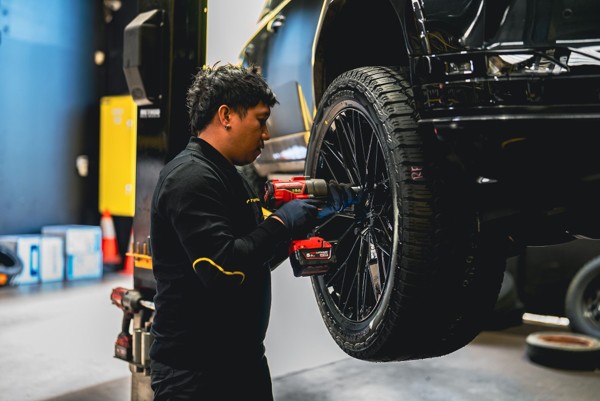
Ready to upgrade? Mag Wheel & Tyre provides an aftermarket wheels service in Melbourne, offering suitable options for a wide range of vehicles. Explore our range of wheels or speak with our team to find the option for you. Happy driving!
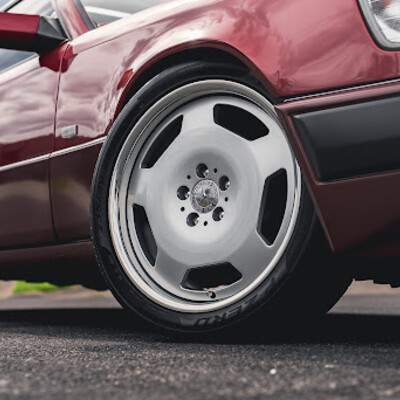 Custom Forged Wheel Designs at Mag Wheel & Tyre
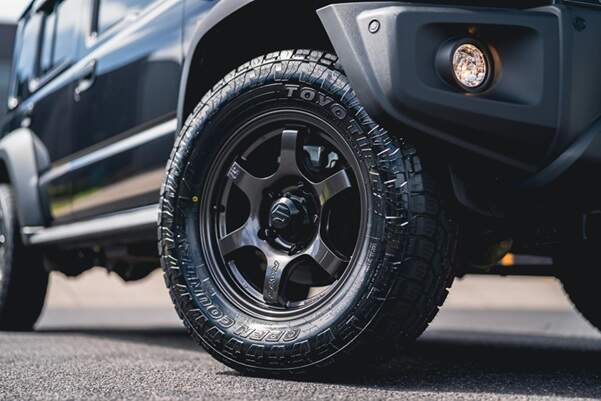 Rays Wheels for Suzuki Jimny: Gramlights 57DRX vs Volk Racing TE37XT
 The Ultimate Guide To Rays Offroad Wheels - By Rays Engineering